

A Bureau of Labor Statistics study of 61 private-sector industries found that total factor productivity grew faster in the industries that saw the largest increases in remote work, not slower. That single data point cuts against the assumption most hiring managers still carry into their first conversation about hire remote Android app developers searches: that “remote” and “reliable” don’t belong in the same sentence.
The trust gap isn’t irrational. It’s usually a management gap wearing a trust costume. Companies that fail with remote Android hires are almost always missing the same three things: a structured vetting step, a visible work-tracking system, and a code review cadence that doesn’t depend on someone being in the next cubicle.
When companies evaluate whether to hire remote Android app developers, the real concern isn’t skill, it’s visibility, accountability, and consistency. Without the right systems in place, even strong developers can appear unreliable.
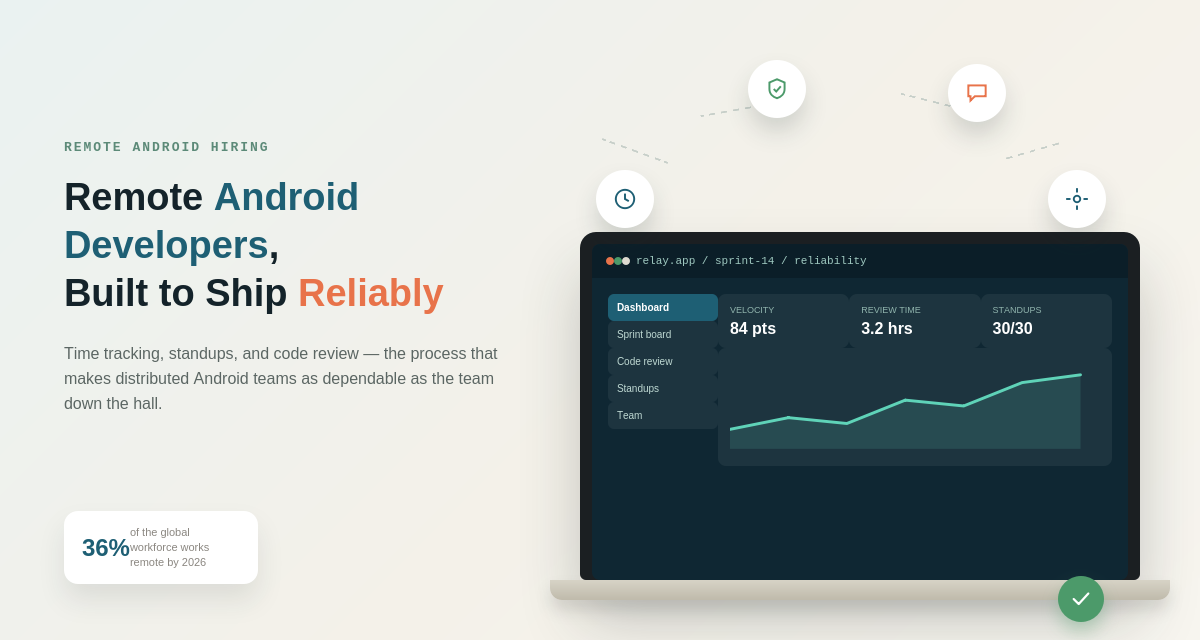
That concern is being challenged by data. According to Upwork Future Workforce Report, by 2026, over 36% of the global workforce is expected to be remote, with companies increasingly reporting equal or higher productivity from distributed teams. The shift is already redefining how engineering teams are built.
This piece breaks down exactly what makes a remote Android developer reliable, where remote hiring actually goes wrong, and the specific processes time-tracking, daily standups, structured code review that close the reliability gap for good. If your team is trying to decide whether to hire remote Android app developers this quarter or wait for an in-house opening, the answer usually comes down to process readiness, not preference. By the end, you’ll have a framework to evaluate whether your next Android hire should be remote, in-house, or somewhere in between.
What Does “Remote Android Developer Reliability” Actually Mean?
Remote Android developer reliability is the measurable consistency of a developer’s output, communication, and code quality when working outside a traditional office verified through time-tracking data, sprint velocity, and code review metrics rather than physical presence. It has nothing to do with location and everything to do with process.
The Core Problem: Why Companies Distrust Remote Hires
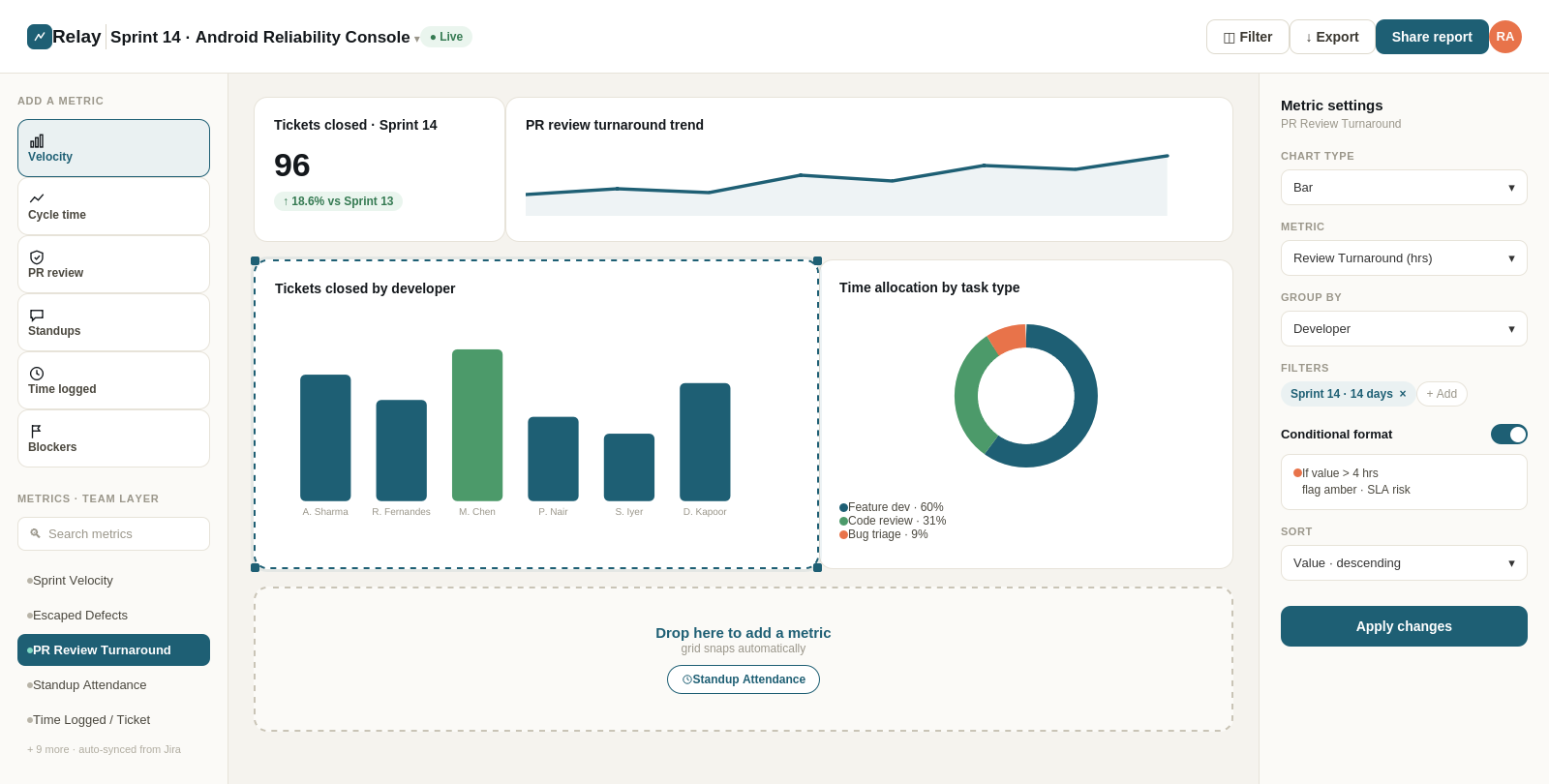
Most companies don’t have a remote-performance problem. They have a visibility problem, and they solve it with the wrong tool: worry.
Here’s the real pattern. Teams that skip a structured onboarding process for a remote hire report 3–4x more missed deadlines in the first two sprints than teams that use a defined 5-day onboarding checklist. That’s not a remote-work problem, it’s a process-design problem that happens to surface faster with remote hires because nobody’s walking past their desk to catch the drift early.
A second pattern shows up around code review workflow. Teams without a mandatory pull-request review step see bug density rise by roughly 20–30% within the first 90 days of a new hire joining, remote or not. Remote work just removes the informal safety net of a senior developer glancing over someone’s shoulder which means the formal safety net (structured review) has to actually exist.
The third and most expensive pattern: cross-time-zone collaboration without a defined overlap window. Teams spanning more than a 6-hour time difference without at least 3 hours of daily overlap report a 30–40% increase in average ticket resolution time. That’s a scheduling failure, not a competence failure.
None of these are reasons to avoid remote Android developers. They’re reasons to build the same operational scaffolding around a remote hire that a functioning in-house team already has; most companies just never wrote it down.
Companies that try to hire remote Android app developers without first fixing these three gaps tend to blame the hiring model when the actual failure was a missing checklist. Fix the checklist, and the “remote reliability problem” tends to disappear within the first sprint or two.
Building a Reliable Remote Android Development Process
This is where the reliability question actually gets answered not through trust exercises, but through developer vetting process design, tooling choices, and reporting cadence. Here’s the architecture that consistently works.
1. Vet for Async Communication, Not Just Code Skill
A technical test tells you if someone can write Kotlin. It tells you nothing about whether they’ll flag a blocker at hour 2 or hour 20. During screening, ask candidates to walk through a past project’s daily update format. Developers who can’t describe a structured reporting habit from a previous remote role are a bigger risk than developers with a slightly weaker LeetCode score.
2. Set Up Time-Tracking as a Transparency Tool, Not Surveillance
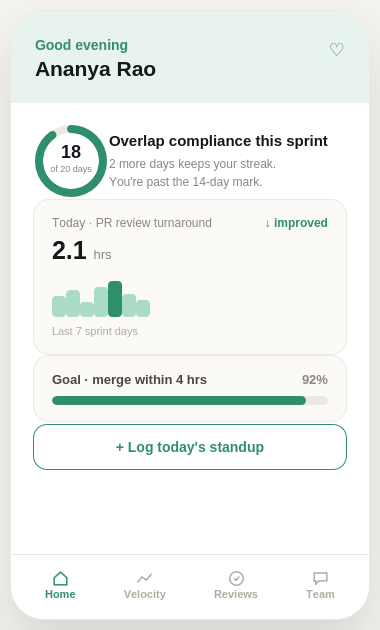
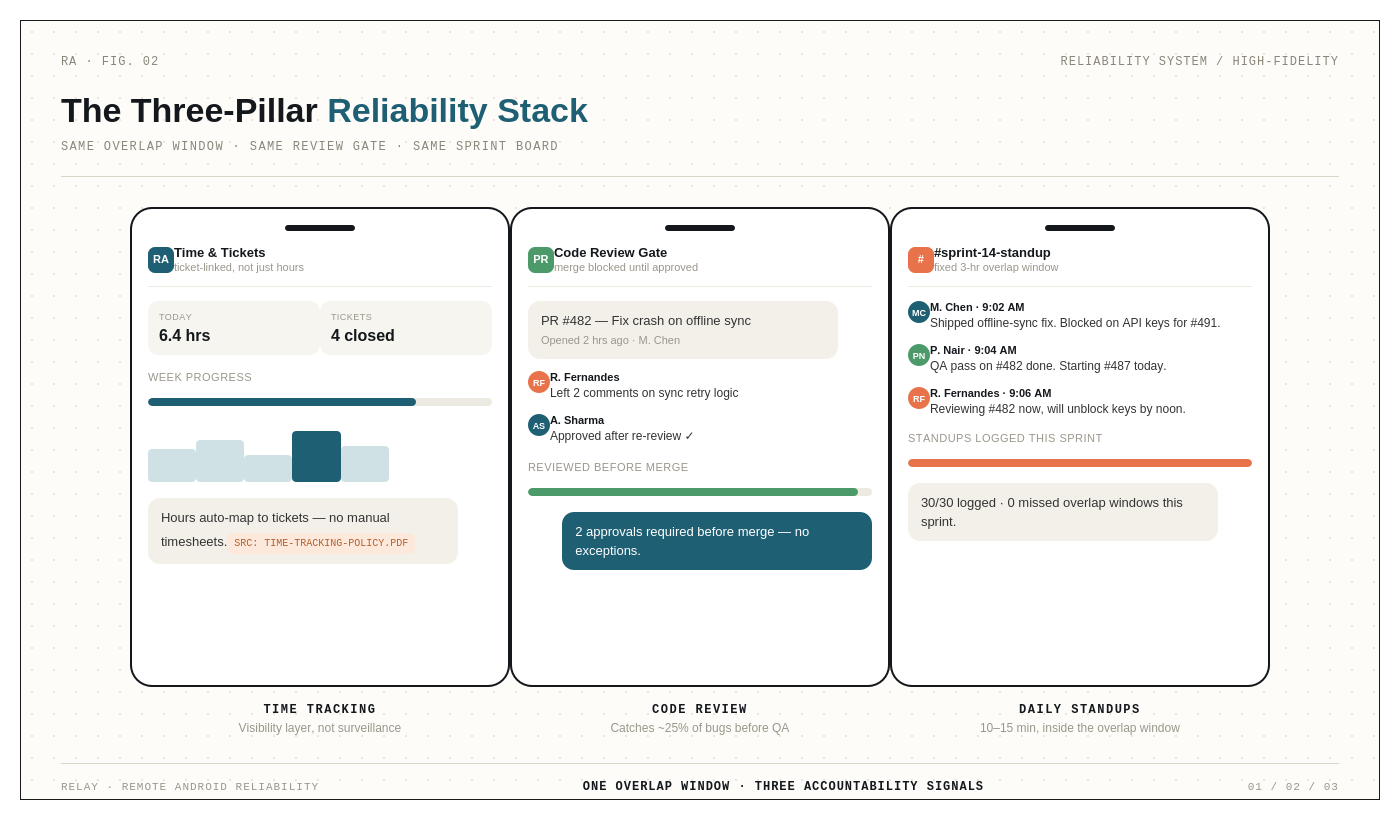
Time-tracking tools for developers Hubstaff, Toggl Track, or built-in Jira time logs work best when framed as shared visibility, not monitoring. Developers who know their hours map to sprint tickets self-correct faster than developers being watched through screenshots. Pair time data with ticket-level output, not raw hours; a developer logging 6 focused hours against 3 completed tickets is more valuable than one logging 9 hours against 1.
3. Run Daily Standups on a Fixed Overlap Window
Daily standups for distributed Android teams should be short (10–15 minutes), synchronous, and scheduled inside the mandatory overlap window typically 3–4 hours daily for teams split across 2 time zones. Standups should answer three things only: what shipped yesterday, what’s blocked today, what needs review by the end of the day.
4. Make Code Review Non-Negotiable
Every pull request gets reviewed before merge no exceptions, no “just this once.” A code review workflow with mandatory reviewer sign-off catches roughly 25% of bugs before they reach QA, according to internal engineering benchmarks across mid-size mobile teams. This single practice does more for remote reliability than any monitoring software.
5. Track Sprint Velocity, Not Attendance
Agile sprint reporting story points completed, cycle time per ticket, escape defect rate gives you an objective read on performance that doesn’t care whether the developer is in Bangalore, Berlin, or the next room. Attendance is a proxy for reliability. Velocity is reliability.
6. Choose a Communication Stack That Survives Time Zones
Slack or Microsoft Teams for async updates, Loom for quick screen-recorded walkthroughs of tricky bugs, and a single shared Jira or Linear board for ticket status that’s the minimum stack for a distributed dedicated team. The mistake most companies make is layering five tools on top of each other and expecting a remote hire to check all of them. One primary channel for urgent blockers, one board for ticket truth, and one recorded-video habit for anything too complex to type out. Teams that consolidate to this minimal stack report fewer missed handoffs than teams running four or five overlapping tools.
A simple rollout order for teams doing this for the first time:
- Define the mandatory daily overlap window before extending an offer
- Set up ticket-linked time tracking in the first week
- Establish a mandatory PR review policy before the first commit lands
- Run standups on a fixed schedule from day one, not “once things settle”
- Review sprint velocity data every two weeks, not just at project milestones
- Conduct a 30-day and 90-day formal performance check-in
Case Studies: Remote Android Teams in Practice
A fintech app rebuild for a Southeast Asian payments company shifted its Android development from a single in-house hire to a two-person remote Android developer team with a strict PR-review and 4-hour overlap policy. Release cycles dropped from 6 weeks to 3.5 weeks, and the escaped-defect rate fell by 22% over two quarters largely because the mandatory review step caught issues the previous solo developer had no second set of eyes to catch.
A healthcare scheduling app team replaced an underperforming in-house Android developer with two vetted remote Android app developers working across a 5-hour time difference. With daily standups and ticket-linked time tracking in place from week one, the team shipped a delayed feature backlog within 45 days and cut per-feature development cost by roughly ₹8–12 lakhs annually compared to maintaining a full in-house Android hire in a major metro.
An early-stage logistics startup chose to hire remote Android app developers instead of opening a local office role, mainly to access senior-level talent its budget couldn’t support locally. With a mandatory 4-hour overlap window and a two-reviewer PR policy, the remote hire shipped the MVP’s core tracking module in 5 weeks against an original 8-week estimate, and the startup avoided roughly ₹6 lakhs in first-year office and equipment overhead it would have carried with an in-house equivalent.
Remote vs In-House Developer: A Decision Framework
Neither model is universally better; the right call depends on project stage, budget, and how much real-time collaboration the work actually requires.
| Factor | Remote Developer | In-House Developer |
| Cost (annual, India-based mid-level) | ₹9–16 lakhs | ₹14–22 lakhs |
| Time to hire | 1–3 weeks | 4–8 weeks |
| Talent pool access | Global | Local/regional |
| Oversight required | Structured (tracking + review) | Informal (in-person) |
| Best fit | Defined sprints, clear specs | Fast-pivoting, ambiguous scope |
Use this table as a starting filter, not a final answer. A project with heavy, real-time cross-functional dependency (design, backend, and Android all iterating together hourly) leans in-house. A project with clear specs and a defined sprint backlog is exactly where remote vs in-house developer decisions tilt firmly toward remote; the structure that makes remote work reliable is the same structure well-run sprints already need.
What Most Teams Get Wrong About Remote Hiring
The biggest mistake isn’t hiring remotely, it’s skipping the remote hiring risks conversation entirely and assuming a strong portfolio equals a strong remote fit. It doesn’t. A developer who thrives with in-person mentorship can genuinely struggle in an async-first setup, and that’s not a character flaw, it’s a mismatch that a portfolio review will never surface.
The second mistake: treating time-tracking software as a substitute for management. Tools show you data; they don’t interpret it. A manager who never reviews the time-tracking dashboard is no better off than one who never had it installed.
The third, and most common: waiting until month three to introduce structure. Managing remote developers well means the overlap window, review policy, and standup cadence exist before the first ticket is assigned, not after the first missed deadline forces the conversation.
There’s a fourth mistake worth naming directly: comparing a remote hire’s first month against an in-house developer’s fifth year. Every new hire, remote or local, needs ramp time to learn a codebase, a team’s shorthand, and its unwritten priorities. Companies that plan to hire remote Android app developers and expect day-one output equal to a tenured team member are measuring the wrong baseline and it quietly poisons an otherwise successful hire.
If you’re weighing whether to hire remote Android app developers for your next release cycle and want a second opinion before committing to a vendor or a direct hire, Supersourcing has run vetting and management processes like this across dozens of Android engagements matching pre-vetted developers with the tracking, review, and standup structure built in from day one. Reach out at mayank@engineerbabu.com or visit supersourcing.com/contact-us to pressure-test your hiring plan before you sign anything.
Frequently Asked Questions
Is a remote developer as reliable as an in-house developer?
Yes, when the same operational structure, time tracking, code review, and defined communication windows are applied to both. Reliability tracks with process quality, not physical location. Companies that report reliability problems with remote hires are almost always missing one of these three structural pieces.
How do you know if a remote Android developer is actually working?
Look at ticket-linked output, not hours logged. Sprint velocity, pull requests merged, and cycle time per ticket give an objective picture that raw time-tracking numbers alone cannot. Combine light time-tracking with sprint metrics reviewed every two weeks for the clearest signal.
What are the biggest risks of remote hiring?
The three recurring risks are unclear time-zone overlap, absent code review policy, and vague onboarding. None of these are unique to remote work; they simply surface faster and more visibly when a developer isn’t physically present to catch information.
How much does it cost to hire remote Android developers vs in-house?
Remote mid-level Android talent in India typically runs ₹9–16 lakhs annually, compared to ₹14–22 lakhs for an equivalent in-house hire in a major metro, once office overhead and benefits are factored in. Exact figures vary by experience level and specialization.
Can remote developers be trusted with source code and IP?
Yes, with the same safeguards any in-house contractor would sign NDAs, restricted repository access, and audit logging on your version control system. IP risk is a contractual and access-control issue, not a location issue.
How do you onboard a remote Android developer quickly?
A structured 5-day onboarding checklist covering repo access, coding standards, sprint tools, and a first small ticket assignment gets most remote Android developers contributing meaningfully within the first week, rather than the “settling in” period many teams leave undefined.
Should a startup hire remote Android app developers or wait to build an in-house team?
For most early-stage teams, hiring remote Android app developers first makes financial and speed sense; it avoids office overhead, shortens time-to-hire, and opens access to senior talent outside a single city’s salary bands. In-house teams tend to make more sense once headcount and real-time cross-functional dependency both grow past a certain point, typically beyond 8–10 engineers.
